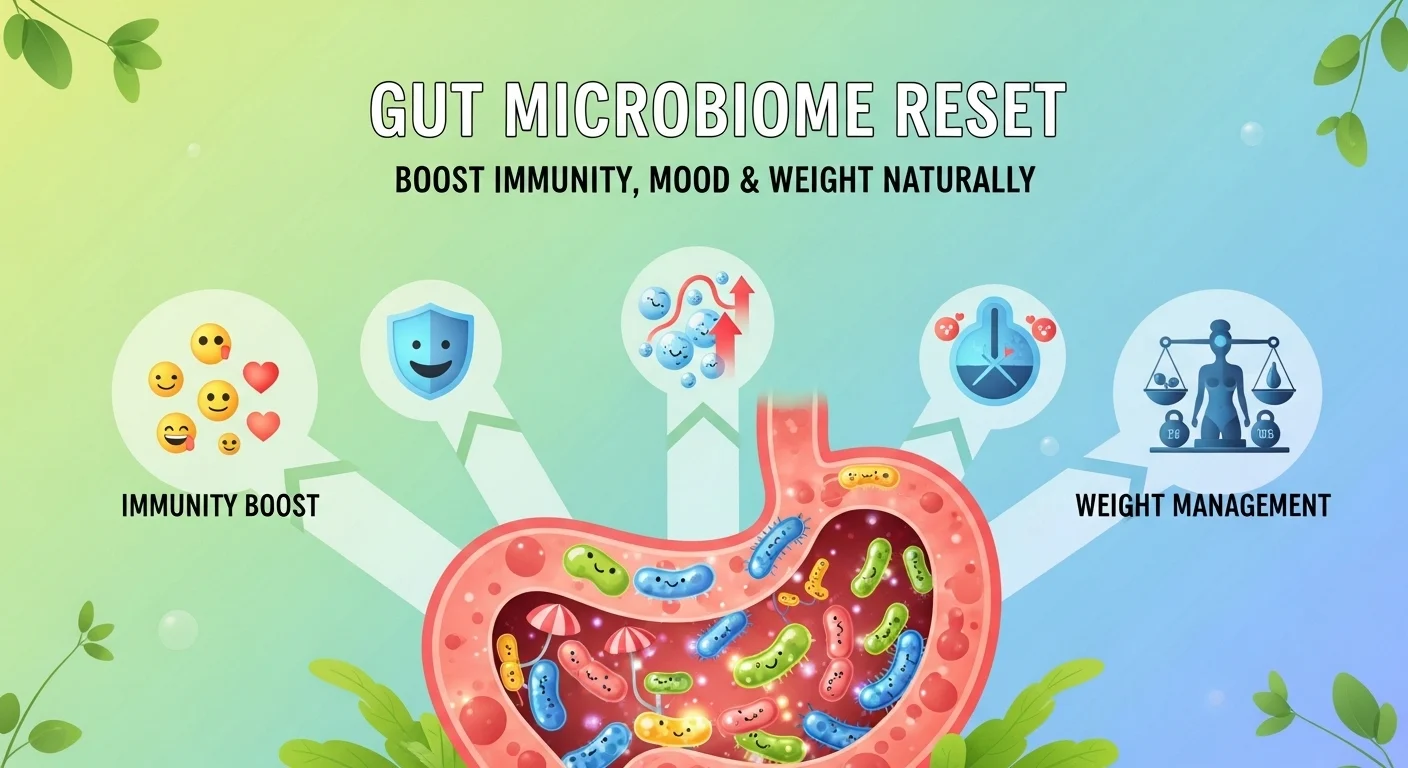
Learn how to reset your gut microbiome to improve digestion, immunity, mental health, and weight management. Discover top foods, habits, and lifestyle strategies.
Your gut is more than just a digestive system—it’s a powerhouse influencing immunity, mood, metabolism, and overall health. Emerging research shows that maintaining a balanced gut microbiome is essential for optimal health and can even impact chronic disease prevention.
Here’s everything you need to know about resetting your gut microbiome naturally, boosting immunity, and improving your overall well-being.
Table of Contents
What is the Gut Microbiome?
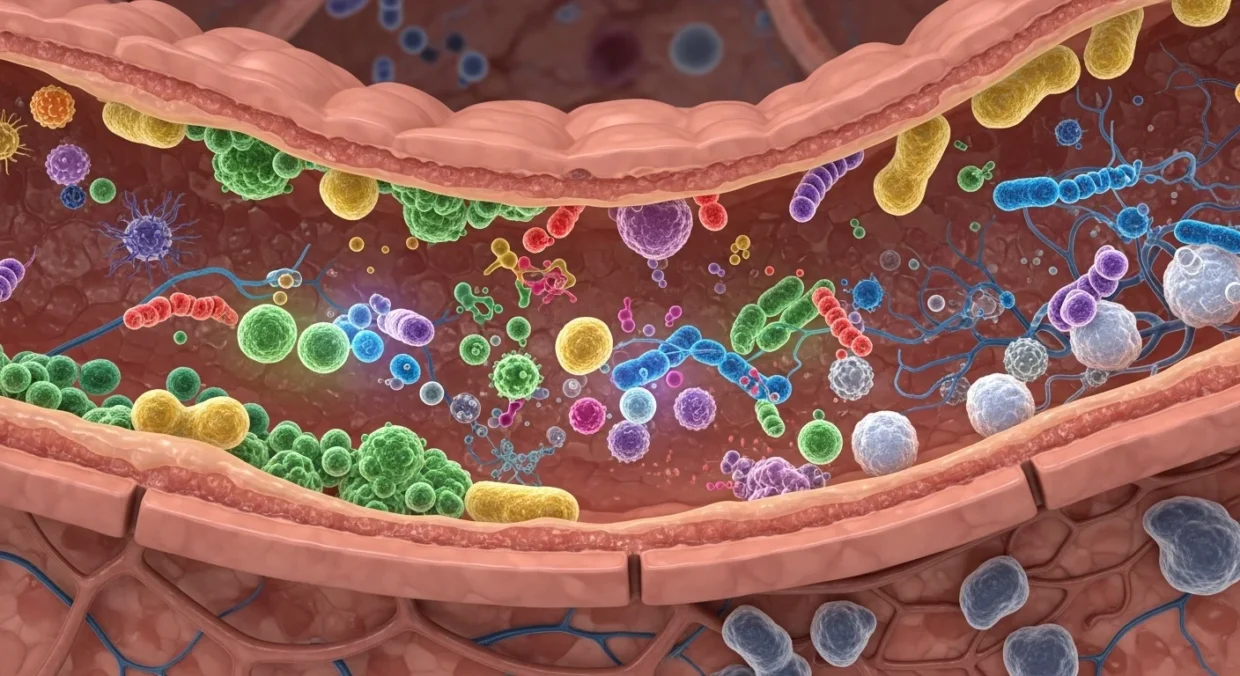
The gut microbiome is the ecosystem of trillions of microorganisms living in your intestines, including bacteria, viruses, fungi, and other microbes. These microbes play a major role in:
- Digesting food and absorbing nutrients
- Producing vitamins like B12 and K
- Modulating the immune system
- Influencing mood and mental health through the gut-brain axis
- Regulating metabolism and weight
When your gut microbiome is balanced, you feel energized, focused, and healthy. When it’s out of balance (dysbiosis), you may experience bloating, digestive discomfort, weight fluctuations, fatigue, or mood disturbances.
Signs Your Gut Needs a Reset
- Frequent bloating, gas, or constipation
- Unexplained fatigue or brain fog
- Cravings for sugar or processed foods
- Frequent infections or slow immune recovery
- Skin issues like acne or eczema
- Mood swings, anxiety, or depression
Top Strategies to Reset Your Gut Microbiome
1. Eat a Diverse, Fiber-Rich Diet
Diverse plant-based foods feed your beneficial gut bacteria. Include:
- Fruits: berries, apples, pears
- Vegetables: leafy greens, cruciferous veggies
- Legumes: lentils, chickpeas, beans
- Whole grains: oats, quinoa, barley
2. Include Fermented Foods
Fermented foods introduce beneficial probiotics. Examples:
- Yogurt with live cultures
- Kefir
- Kimchi
- Sauerkraut
- Tempeh
3. Reduce Sugar and Processed Foods
High sugar and ultra-processed foods feed harmful bacteria and yeast. Swap with:
- Whole fruits instead of candies
- Homemade meals instead of processed snacks
- Natural sweeteners like stevia or monk fruit in moderation
4. Stay Hydrated
Water supports nutrient absorption and digestion. Aim for 2–3 liters per day depending on activity.
5. Prioritize Sleep and Stress Management
- Chronic stress affects gut bacteria diversity
- Deep sleep supports microbiome repair and immune function
- Practice meditation, yoga, or breathing exercises daily
6. Exercise Regularly
Physical activity promotes microbial diversity and improves metabolism. Aim for:
- 150 minutes of moderate activity weekly
- Strength training 2–3 times per week
- Daily walking or movement breaks
Read More:Metabolic Flexibility: The Ultimate Guide to Efficient Fat and Carb Burning
Top Gut-Friendly Foods
| Food | Gut Benefit |
|---|---|
| Garlic | Prebiotic that feeds beneficial bacteria |
| Onion | Rich in inulin and flavonoids for gut health |
| Asparagus | Prebiotic fiber that boosts Bifidobacteria |
| Blueberries | Polyphenols support beneficial microbes and reduce inflammation |
| Oats | Soluble fiber that promotes short-chain fatty acids |
| Kefir | Provides probiotics for better digestion |
Supplements to Support Gut Health
- Probiotics: Introduce beneficial bacteria
- Prebiotic fibers: Feed good bacteria
- Digestive enzymes: Support nutrient absorption
- Polyphenols: Green tea, cocoa, and berries enhance microbial diversity
Meal Planning Tips for Gut Reset
- Start the day with a high-fiber breakfast like oatmeal with berries and flax seeds
- Lunch: grilled salmon with quinoa and steamed broccoli
- Snack: kombucha or kefir smoothie
- Dinner: stir-fried vegetables with tempeh or chicken and brown rice
FAQs About Gut Microbiome Reset
1. What is a gut microbiome reset?
A gut microbiome reset is a process of rebalancing the trillions of bacteria and microorganisms in your digestive system. It usually involves dietary changes, lifestyle adjustments, and sometimes probiotics or prebiotics to restore gut health.
2. Why is the gut microbiome important?
Your gut microbiome plays a key role in digestion, nutrient absorption, immune system function, metabolism, and even mood regulation. An imbalance (dysbiosis) can lead to bloating, fatigue, weight gain, skin issues, and chronic inflammation.
3. How do I know if I need a gut reset?
Signs that you may benefit from a gut reset include frequent bloating, constipation or diarrhea, food intolerances, sugar cravings, low energy, weakened immunity, and brain fog.
4. How long does it take to reset the gut?
It varies by individual, but most people start noticing improvements in digestion and energy within 2–4 weeks. A full microbiome reset can take 3–6 months depending on diet, lifestyle, and underlying health conditions.
5. What foods help reset the gut microbiome?
Fiber-rich foods (vegetables, fruits, whole grains, legumes), fermented foods (yogurt, kefir, sauerkraut, kimchi), and prebiotic-rich foods (garlic, onions, bananas, asparagus) support healthy gut bacteria. Reducing processed foods, sugar, and alcohol also helps.
6. Do probiotics help with gut reset?
Yes, probiotics can support healthy gut bacteria, but they work best when combined with prebiotics (fiber that feeds good bacteria) and an overall healthy diet.
7. Can fasting reset the gut microbiome?
Intermittent fasting or giving the digestive system a break may promote microbial diversity and gut repair. However, fasting should be approached carefully and tailored to individual needs.
8. Can stress affect the gut microbiome?
Absolutely. Chronic stress can disrupt gut bacteria balance and increase inflammation. Stress management techniques like meditation, yoga, and adequate sleep are crucial for a successful gut reset.
9. Is a gut reset safe for everyone?
For most healthy individuals, yes. However, people with chronic digestive conditions (IBD, IBS, celiac disease), pregnant women, or those on medication should consult a healthcare provider before making major changes.
10. What are the benefits of resetting the gut microbiome?
A balanced gut can improve digestion, boost energy, strengthen immunity, aid in weight management, enhance mental clarity, and reduce risks of chronic diseases.
Benefits of a Healthy Gut Microbiome
- Improved digestion and nutrient absorption
- Enhanced immunity and fewer infections
- Better mood, focus, and mental clarity
- Support for weight management and metabolism
- Reduced inflammation and chronic disease risk
Bottom Line
Resetting your gut microbiome is a powerful way to improve digestion, immunity, mental health, and metabolic function. By focusing on fiber-rich foods, fermented products, hydration, stress reduction, sleep, and movement, you can restore microbial balance naturally.
Start small: introduce one fermented food daily, increase fiber intake, and track how your digestion, energy, and mood improve over time. Your gut will thank you!