Early-onset GI cancers are rising among young Americans. Learn causes, symptoms, prevention, and screening strategies to protect your health.
Table of Contents
Introduction
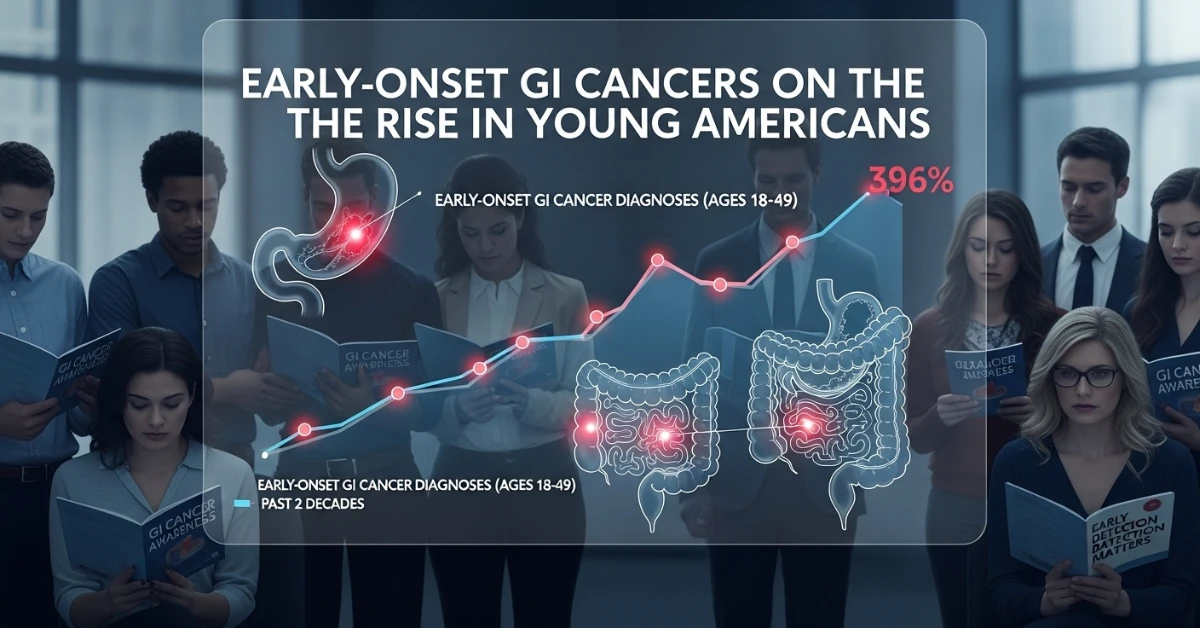
Cancer has long been considered a disease of aging, but in the United States a troubling new trend is emerging. Early-onset gastrointestinal (GI) cancers—including colorectal, pancreatic, stomach, and appendiceal cancers—are rising at alarming rates among young adults under 50.
This silent health crisis is changing the way doctors, researchers, and patients think about cancer risk. In this article, we’ll explore what’s driving the surge, its impact on American health, and what steps can be taken for prevention, early detection, and better outcomes.
The Surge in GI Cancers Among Young Americans
Recent research paints a concerning picture:
- Appendiceal cancer cases increased by 15% between 2010–2019.
- Pancreatic cancers are showing up in adults as young as 25–29 years old.
- Colorectal cancer, already a major concern, continues to rise among those under 50.
- Stomach (gastric) and bile duct cancers also show upward trends.
“This isn’t just a fluke—it’s a shift in disease patterns that requires urgent attention,” says Dr. Jordan Karlitz, gastroenterologist and cancer researcher.
Why the Increase in Early-Onset GI Cancers Matters

1. Younger Adults Are Overlooked
Doctors and patients often dismiss symptoms like bloating, abdominal pain, or rectal bleeding as minor digestive issues. This leads to delayed diagnoses—with cancers often found at advanced stages.
2. Aggressive Tumor Biology
Studies suggest young-onset colorectal cancers are often more aggressive, frequently appearing in the rectum or left colon, where detection is more challenging.
3. Health Disparities Make It Worse
- Black, Hispanic, and Indigenous populations face higher incidence rates.
- Survival rates are lower due to limited access to screening and care.
- Cultural stigma around digestive symptoms adds to delays in diagnosis.
4. Economic and Emotional Toll
Younger adults are often in the middle of building careers, starting families, or managing student loans. A cancer diagnosis disrupts financial stability and mental health, adding another layer of suffering.
What’s Driving the Surge in GI Cancers?
Experts believe genetics account for 15–30% of cases, but lifestyle and environmental factors play a huge role:
🔹 Lifestyle Factors
- Obesity and poor diet: High consumption of processed foods, red meat, and sugar increases risk.
- Alcohol and smoking: Both remain significant contributors to digestive cancers.
- Sedentary habits: Long screen time and desk jobs are fueling metabolic disorders.
🔹 Gut Microbiome Changes
- Antibiotics, highly processed diets, and chemicals may disrupt gut bacteria.
- Imbalanced microbiomes can lead to inflammation and DNA damage.
🔹 Environmental Toxins
- Exposure to plastics, pesticides, and endocrine-disrupting chemicals may increase cancer risk.
Real-Life Stories: Why Awareness Matters
- Allison Rosen, diagnosed with stage II colorectal cancer at 32, initially ignored symptoms like blood in her stool. Today, she is a survivor and advocate for earlier screening, reminding others that “cancer doesn’t care how old you are.”
Stories like Allison’s show why awareness of symptoms is crucial—especially among younger populations.
How to Fight Back Against Early-Onset GI Cancers
1. Earlier and Smarter Screening
- Colorectal screening age lowered to 45 (U.S. Preventive Services Task Force, 2021).
- Risk-based screening: People with family history or genetic risk factors may need screening as early as age 30.
- Liquid biopsies and AI-assisted colonoscopies are emerging technologies that could improve early detection.
2. Lifestyle Changes That Reduce Risk
- Balanced diet: Whole grains, vegetables, fruits, legumes, and lean proteins.
- Exercise: At least 150 minutes of moderate activity per week lowers cancer risk.
- Reduce alcohol and quit smoking: Both changes dramatically cut cancer risk.
3. Public Awareness Campaigns
- Educate people that GI cancers are not just “old age” diseases.
- Encourage younger adults to take persistent GI symptoms seriously.
4. Addressing Health Inequities
- Expand access to affordable screenings and colonoscopies.
- Launch culturally sensitive education programs in minority communities.
- Improve access to primary care and preventative services.
5. Research and Innovation
- Fund studies on gut microbiome and cancer risk.
- Explore links between environmental toxins and GI cancers.
- Support development of AI diagnostics and early detection tools.
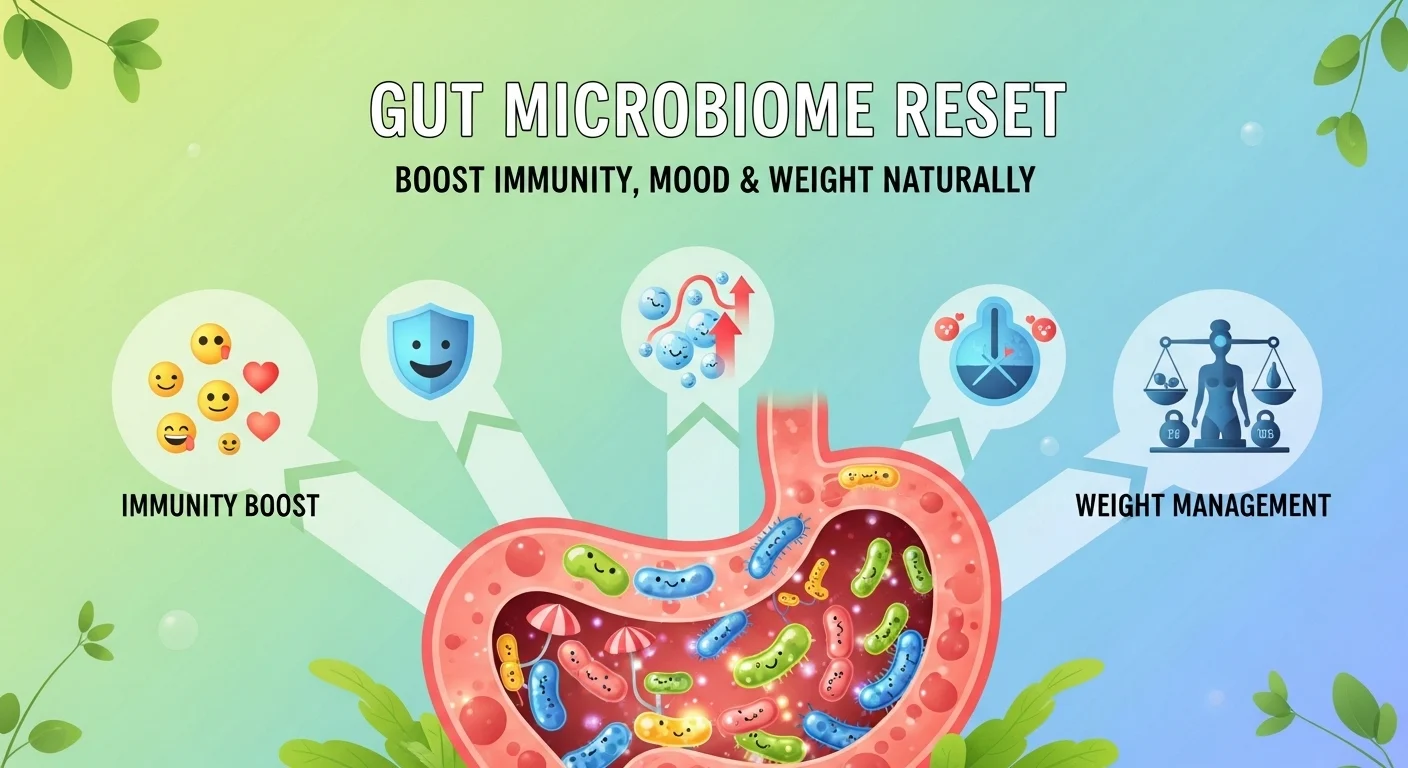
Read About: Gut Microbiome Reset: Boost Immunity, Mood & Weight Naturally
The Role of Technology in Cancer Prevention
- AI-assisted colonoscopies can detect polyps missed by human eyes.
- Wearables may soon monitor biomarkers linked to inflammation and cancer risk.
- Gut microbiome testing offers early insight into digestive health.
Technology is not a cure-all, but it can support earlier detection and personalized prevention strategies.
A National Wake-Up Call
The rising tide of early-onset GI cancers is a public health emergency. If left unchecked, it could undo decades of progress in cancer survival.
- For individuals: Pay attention to persistent GI symptoms, advocate for screenings, and adopt healthier lifestyle habits.
- For healthcare providers: Take young patients seriously when they present symptoms. Cancer is no longer “just for older adults.”
- For policymakers: Prioritize affordable screenings, research funding, and equitable healthcare access.
Conclusion
The rise of early-onset gastrointestinal cancers in America is a silent but urgent crisis. It challenges outdated beliefs about age and cancer risk and highlights the need for early detection, lifestyle interventions, and health equity.
The good news? Many risk factors are modifiable, meaning collective action—from individuals to policymakers—can turn the tide. By spreading awareness, supporting research, and encouraging proactive healthcare, America can fight back against this alarming trend.
Early detection saves lives. Awareness changes outcomes. Together, we can protect future generations from this growing threat.