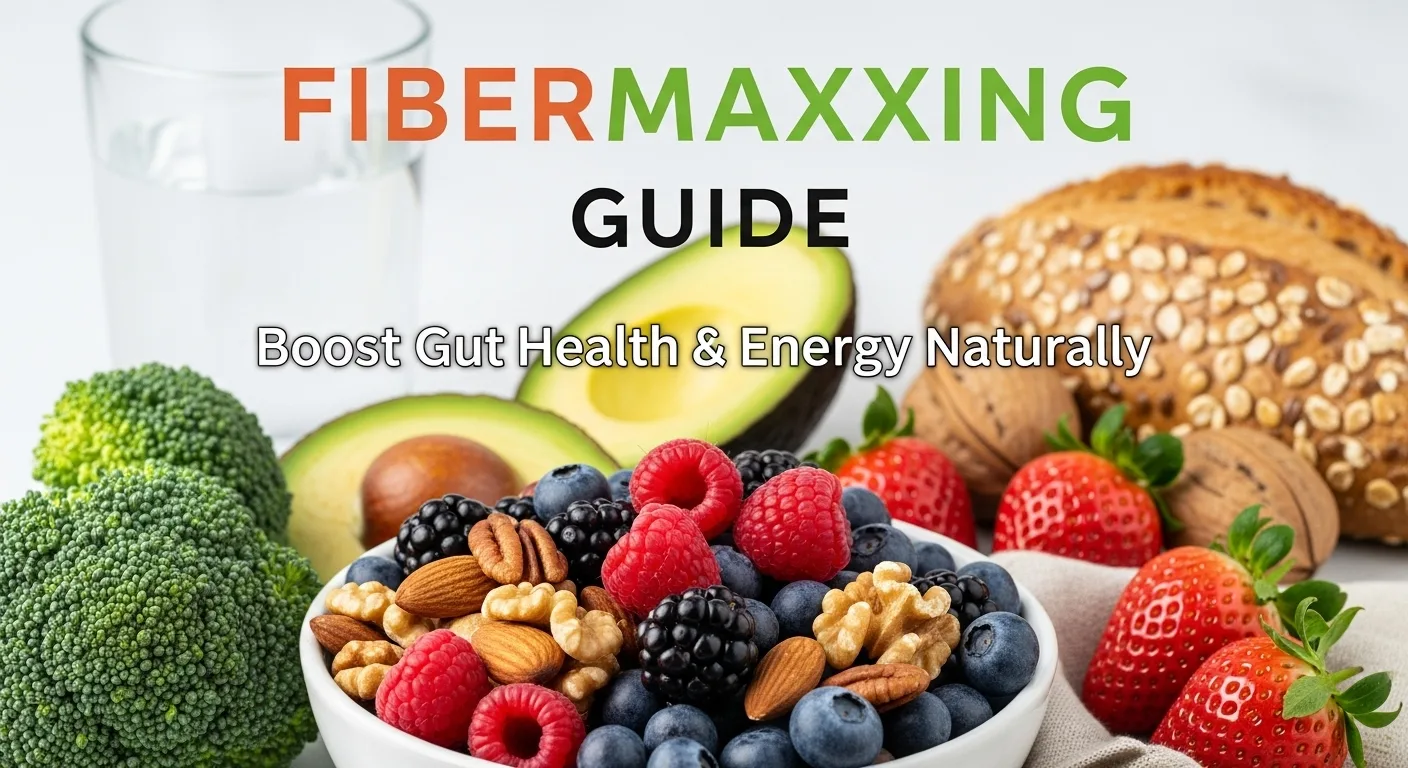
Discover fibermaxxing! Maximize fiber intake to improve digestion, gut health, weight management, and longevity. Learn foods, tips, and meal ideas.
If you’ve ever wondered why some people seem to have unstoppable energy, smooth digestion, and even better weight management, the secret often comes down to fibermaxxing. Fibermaxxing isn’t just a trendy buzzword—it’s a proven approach to boost gut health, enhance digestion, and support overall well-being. By intentionally maximizing fiber intake from a mix of foods and supplements, you can optimize how your body processes nutrients, maintain steady energy, and promote long-term health.
In this guide, we’ll cover everything you need to know about fibermaxxing: what it is, why it matters, how to do it safely, the best foods to include, and potential benefits.
Table of Contents
What is Fibermaxxing?

Fibermaxxing is the practice of gradually increasing your daily intake of dietary fiber to optimal levels, while ensuring a balance of soluble and insoluble fibers. It’s not just about eating more vegetables—it’s about choosing the right high-fiber foods and distributing them throughout the day to support digestion, gut microbiome health, and nutrient absorption.
Fibermaxxing is both a dietary strategy and a lifestyle habit. It encourages mindful eating, balanced nutrition, and consistency in fiber consumption to maximize health benefits.
Why Fiber is Crucial for Health
Fiber, found primarily in fruits, vegetables, legumes, and whole grains, is a type of carbohydrate that the body can’t digest. Unlike other nutrients that are absorbed into the bloodstream, fiber passes through the digestive tract mostly intact. This unique feature gives fiber powerful benefits:
1. Supports Digestive Health
Fiber keeps your digestive system moving smoothly. Insoluble fiber adds bulk to stools and helps prevent constipation, while soluble fiber absorbs water and forms a gel-like substance that slows digestion, allowing better nutrient absorption.
2. Feeds Your Gut Microbiome
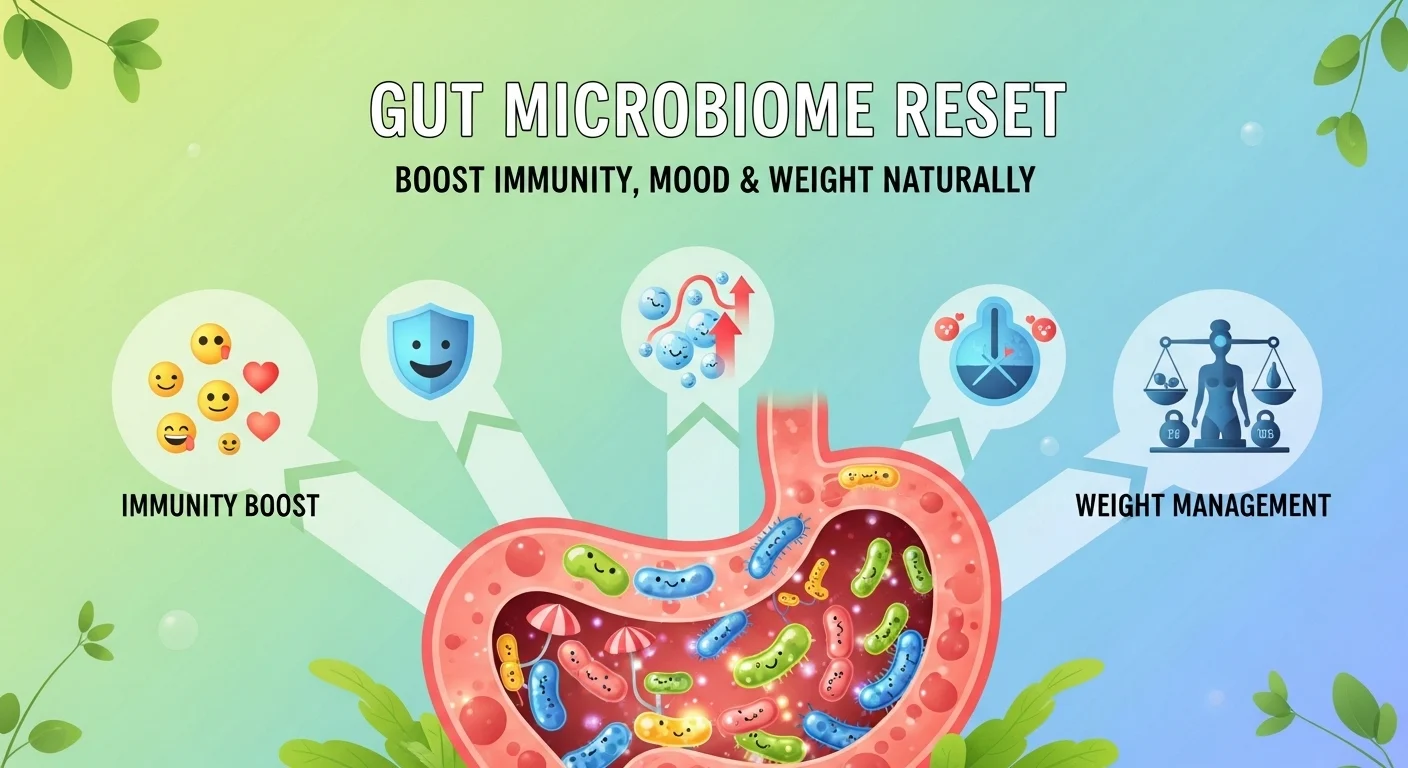
Soluble fiber is a prebiotic, feeding the beneficial bacteria in your gut. A healthy microbiome supports digestion, reduces inflammation, and even contributes to better mood regulation.
3. Aids in Weight Management
Fiber increases feelings of fullness, which can help reduce overall calorie intake. It also slows the absorption of sugar, helping regulate blood sugar levels and curb energy crashes.
4. Supports Heart Health
A high-fiber diet has been linked to reduced cholesterol levels and lower blood pressure, both critical factors in reducing cardiovascular risk.
5. Promotes Longevity
Research shows that higher fiber intake is associated with a lower risk of chronic diseases, including type 2 diabetes, heart disease, and certain cancers, contributing to longer, healthier life.
Soluble vs. Insoluble Fiber: What You Need to Know
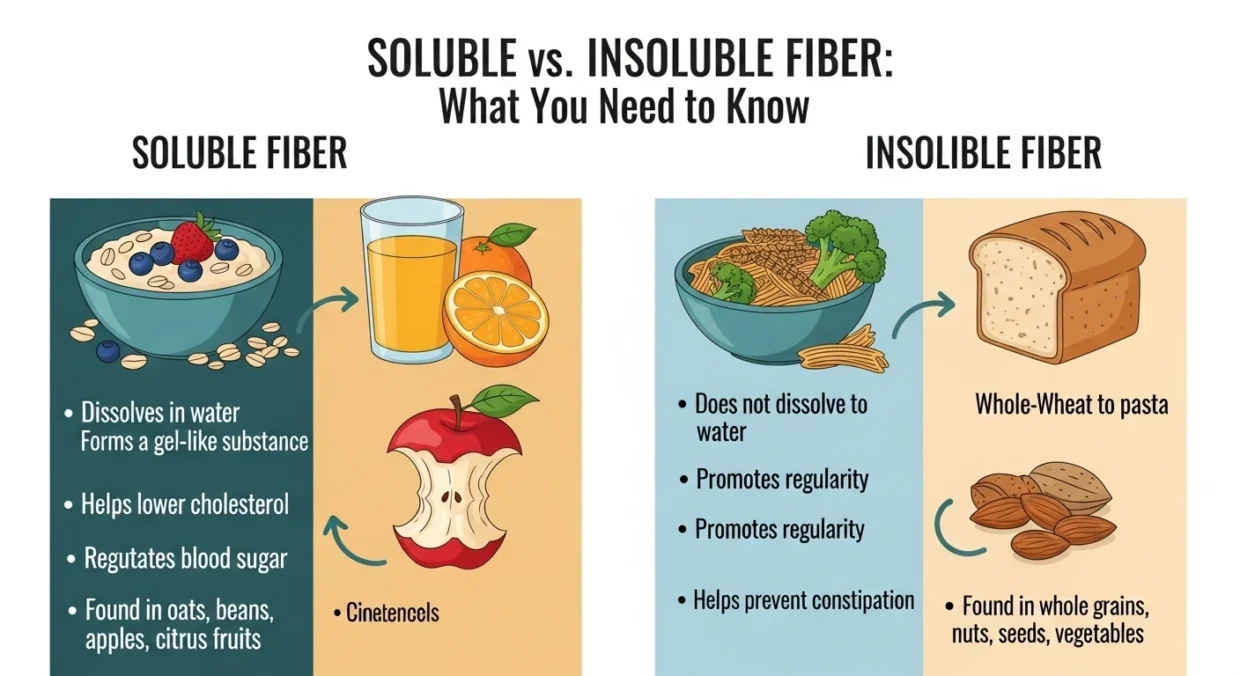
To maximize the benefits of fiber, it’s important to include both soluble and insoluble fibers in your diet:
- Soluble Fiber: Dissolves in water, forms a gel, and helps regulate blood sugar and cholesterol. Sources: oats, beans, lentils, apples, and citrus fruits.
- Insoluble Fiber: Adds bulk to stools, promotes regular bowel movements, and prevents constipation. Sources: whole wheat, brown rice, nuts, seeds, and vegetables like broccoli and zucchini.
Fibermaxxing combines both types to ensure complete digestive support.
How to Fibermaxx Safely
Increasing fiber too quickly can lead to bloating, gas, and discomfort. Here’s how to maximize fiber intake safely:
1. Gradually Increase Intake
Start by adding 3–5 grams of extra fiber per day and increase slowly over 2–4 weeks. This allows your gut bacteria to adjust.
2. Hydrate
Fiber absorbs water, so increasing intake without enough fluids can cause constipation. Aim for at least 8–10 cups of water per day.
3. Diversify Your Sources
Include a mix of fruits, vegetables, legumes, and whole grains to ensure a balance of soluble and insoluble fiber.
4. Listen to Your Body
If you experience discomfort, slow the increase and focus on low-FODMAP fibers if necessary.
Top High-Fiber Foods for Fibermaxxing
To truly fibermaxx, include a variety of nutrient-dense foods. Here’s a breakdown:
Vegetables
- Broccoli: 5g per cup (cooked), rich in insoluble fiber and antioxidants
- Carrots: 4g per cup, high in soluble fiber and beta-carotene
- Spinach: 4g per cup (cooked), versatile in smoothies, soups, and stir-fries
- Brussels Sprouts: 4g per cup, supports gut bacteria diversity
Fruits
- Raspberries: 8g per cup, powerhouse of soluble fiber
- Apples: 4g per medium fruit, eat with skin for maximum benefit
- Pears: 5–6g per fruit, naturally sweet and hydrating
- Bananas: 3g per medium banana, contains prebiotic fiber
Legumes
- Lentils: 15g per cup (cooked), high in protein and soluble fiber
- Chickpeas: 12g per cup, versatile for salads, hummus, and roasting
- Black Beans: 15g per cup, helps regulate blood sugar
Whole Grains
- Oats: 4g per ½ cup (dry), excellent source of soluble fiber
- Quinoa: 5g per cup (cooked), protein-rich and fiber-dense
- Brown Rice: 3.5g per cup, great staple grain
Nuts & Seeds
- Chia Seeds: 10g per 2 tablespoons, packed with omega-3 and soluble fiber
- Flax Seeds: 8g per 2 tablespoons, helps lower cholesterol
- Almonds: 4g per ounce, supports heart health and digestion
Optional Fiber Supplements
For those struggling to meet fiber needs, psyllium husk, inulin, or acacia fiber supplements can help—but real foods provide additional nutrients.
Health Benefits of Fibermaxxing
- Improved Digestion: Smooth bowel movements and reduced bloating.
- Weight Control: Promotes fullness and reduces cravings.
- Blood Sugar Regulation: Stabilizes energy levels and reduces insulin spikes.
- Heart Health: Lowers cholesterol and supports blood pressure.
- Enhanced Gut Microbiome: Supports healthy bacteria for long-term wellness.
- Reduced Inflammation: Fiber-rich diets are linked to lower markers of chronic inflammation.
Sample Fibermaxxing Meal Plan
Breakfast: Oatmeal topped with chia seeds, raspberries, and a drizzle of almond butter.
Snack: Apple slices with flax seed sprinkle.
Lunch: Quinoa salad with spinach, chickpeas, carrots, and olive oil.
Snack: Pear and handful of almonds.
Dinner: Lentil stew with broccoli and Brussels sprouts.
Optional Evening Snack: Banana smoothie with flax seeds.
This meal plan provides roughly 40–50 grams of fiber, which aligns with fibermaxxing goals for adults.
Common Mistakes to Avoid
- Rushing Fiber Intake: Sudden increases can cause digestive distress.
- Ignoring Water Intake: Fiber needs adequate hydration to work effectively.
- Focusing Only on Supplements: Whole foods provide vitamins, minerals, and antioxidants.
- Neglecting Soluble Fiber: Balanced fiber types ensure gut health and blood sugar control.
Conclusion: Why Fibermaxxing is a Game-Changer
Fibermaxxing is more than just eating more vegetables—it’s a lifestyle strategy that optimizes digestion, supports weight management, boosts energy, and enhances long-term health. By gradually increasing fiber intake, staying hydrated, and including a mix of soluble and insoluble fibers, you can supercharge your gut health while enjoying a variety of delicious foods.
Remember: consistency is key. Building a fiber-rich diet with colorful fruits, veggies, whole grains, legumes, and nuts ensures you get the nutrients your body needs. Whether through whole foods or high-quality supplements, fibermaxxing is an investment in your health that pays off every day.
FAQs About Fibermaxxing
Q1: How much fiber should I aim for each day?
A: Adults should target 25–38 grams per day, depending on age and sex. Fibermaxxing often aims slightly higher for optimal gut and metabolic support.
Q2: Can I overdo fiber?
A: Excess fiber can cause bloating, gas, and nutrient absorption issues. Increase gradually and drink plenty of water.
Q3: Are fiber supplements necessary?
A: Supplements can help if your diet is lacking, but whole foods are preferable for vitamins, minerals, and antioxidants.
Q4: Does fiber affect weight loss?
A: Yes, fiber increases satiety and helps regulate blood sugar, which can support healthy weight management.
Q5: Can fibermaxxing improve longevity?
A: High-fiber diets are linked to reduced risk of chronic diseases, supporting a longer, healthier life.
Read About:20 Low-Histamine Foods That Can Transform Your Gut Health