(Alkaline Water) As the summer sun blazes, staying hydrated becomes more important than ever. With the rise of trendy waters—like alkaline or electrolyte-infused options—many people wonder if plain tap water is enough. Experts say, for most people, it usually is.
Table of Contents
Why Hydration Matters in Summer
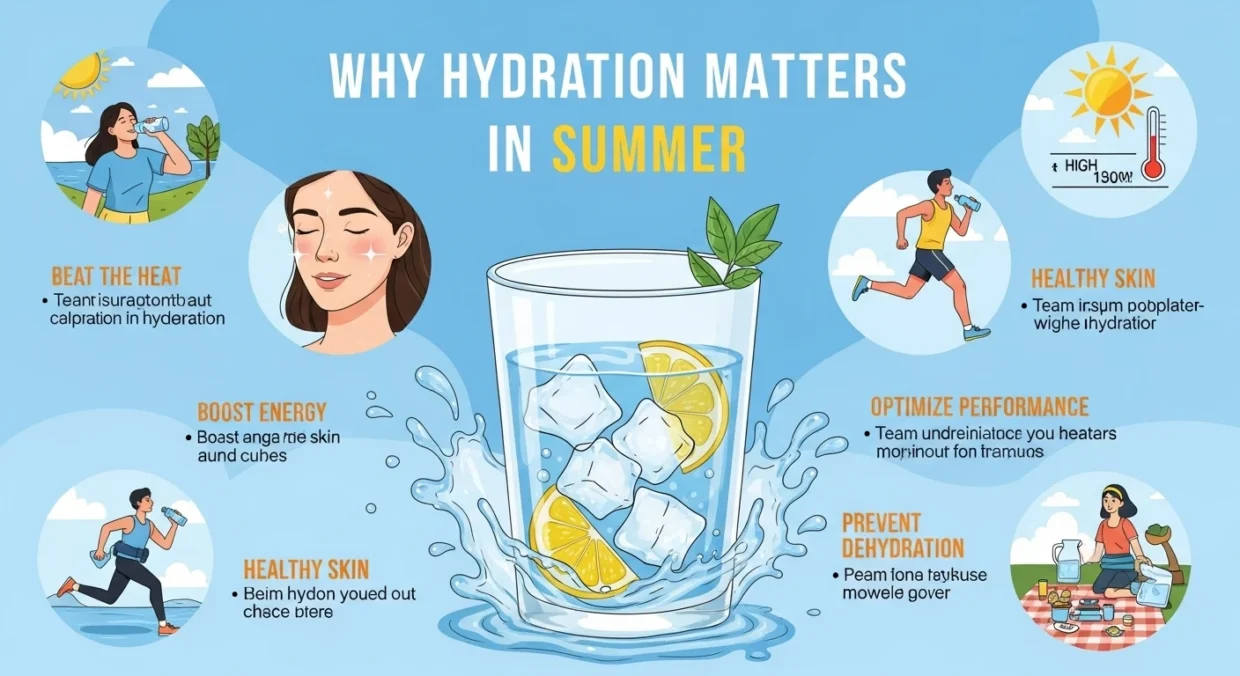
Dr. Blen Tesfu, a registered dietitian and physician at Welzo, explains that hot weather accelerates fluid loss, increasing the risk of dehydration. Symptoms can include tiredness, confusion, and low energy.
“Hydration helps regulate body temperature, supports digestion, and keeps organs functioning properly,” Tesfu says. It’s especially important if you’re outdoors or physically active.
Sotiria Everett, EdD, a clinical assistant professor at Stony Brook Medicine, adds that staying hydrated can prevent heat-related illnesses like heatstroke or heat exhaustion—especially for athletes and outdoor workers.
Do Alkaline and Electrolyte Waters Offer Real Benefits?
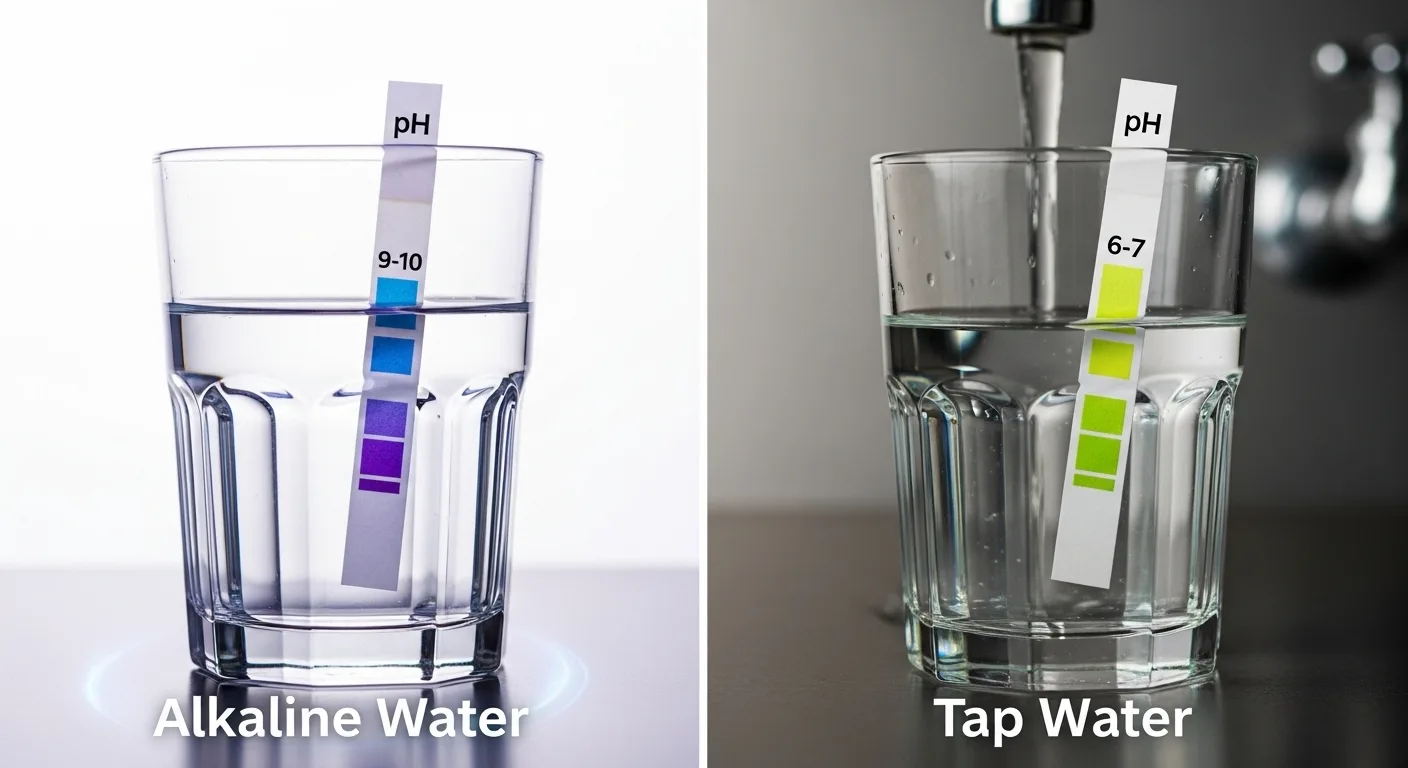
Alkaline water has a higher pH than tap water, which some claim can neutralize acidity or boost energy. However, Tesfu notes there’s no solid research supporting these claims.
Electrolyte-infused water contains minerals like sodium, potassium, and magnesium—essential for replacing what the body loses through sweat. “They’re helpful only when you’ve lost a significant amount of electrolytes, such as after intense exercise,” Tesfu says.
The Best Way to Stay Hydrated
For most people, tap water is sufficient. It’s cheap, accessible, and usually provides the minerals needed for everyday hydration.
Everett recommends pairing regular water with mineral-rich foods to support hydration naturally:
- Potassium: bananas, sweet potatoes, citrus fruits
- Sodium: cheese, soups, table salt (watch intake if you have high blood pressure)
- Calcium: milk, yogurt
- Magnesium: nuts, seeds
Water-rich foods like watermelon, celery, strawberries, and lettuce also contribute to hydration.
Read About:“Mosquitoes Kill Millions — This Green Tech Could Stop Them”
When Electrolytes Make Sense
If you sweat heavily or are active outdoors, adding a pinch of salt or a splash of citrus to water can mimic electrolyte drinks. Electrolyte replacement can support fluid balance, prevent cramping, and aid recovery after high-intensity activity.
However, needs vary depending on activity level, climate, medications, and health conditions. Always consult a healthcare professional if unsure.
How Much Water Do You Really Need?
Forget the old “eight glasses a day” rule. According to the U.S. National Academies of Sciences, women need about 2.7 liters (91 ounces) of water daily, and men need about 3.7 liters (125 ounces)—from both drinks and food.
Tesfu recommends tracking urine color:
- Clear or pale yellow = well hydrated
- Dark yellow or amber = drink more water
Don’t Like Plain Water?

You don’t have to force yourself to drink water. Everett suggests:
- Flavor additions: lemon, berries, pineapple, cucumber, mint, or basil
- Cold brew iced tea: adds flavor and antioxidants
- Water-rich foods: fruits and vegetables also hydrate and provide electrolytes
Bottom Line
While alkaline and electrolyte waters can be helpful in specific situations, tap water is generally enough for everyday hydration. Listen to your body, drink when you’re thirsty, and include mineral-rich foods. At the end of the day, hydration isn’t about fancy bottles—it’s about consistency and what works for you.