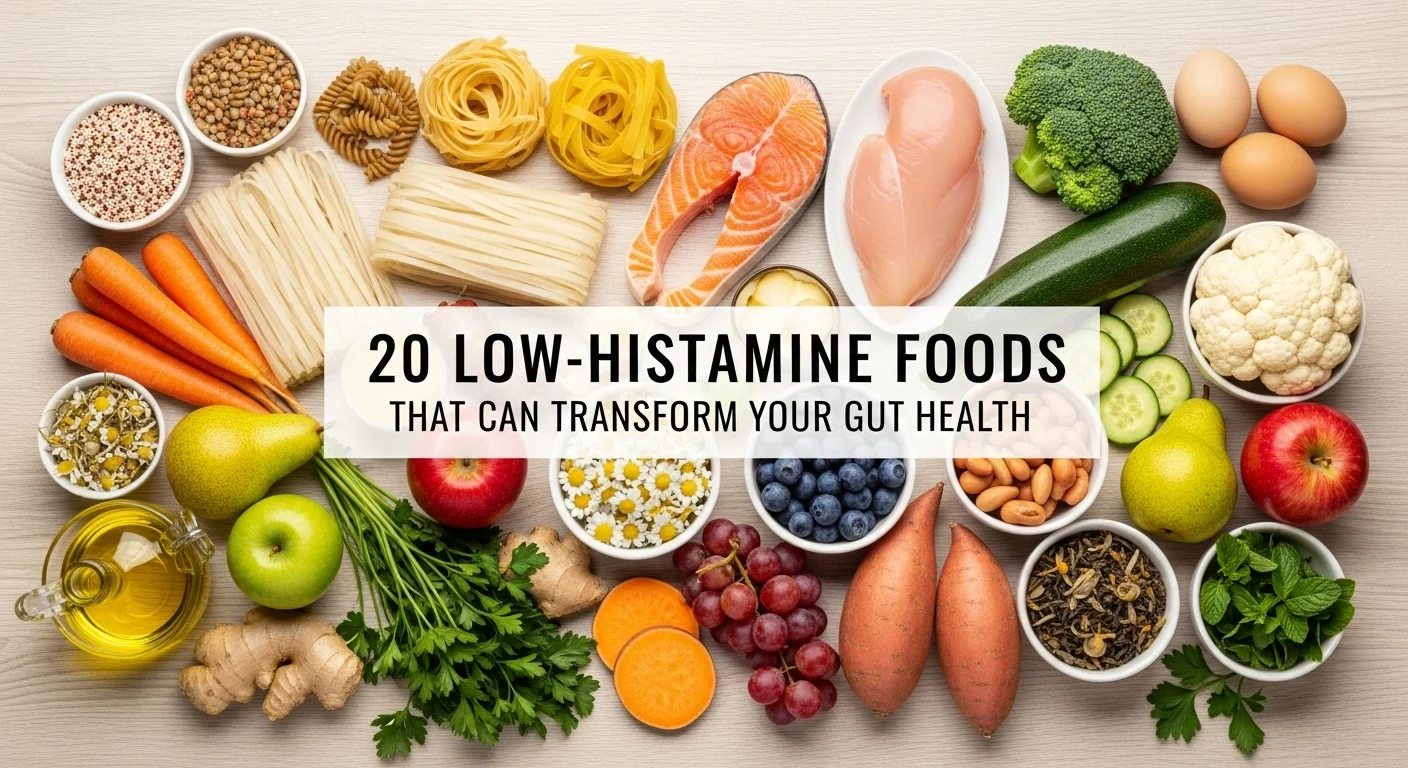
Discover 20 low-histamine foods to reduce bloating, gas, and digestive discomfort while supporting overall gut and body health
Charcuterie boards and cheese platters might be party favorites, but they can sometimes leave your stomach feeling uneasy. Bloating, gas, or general digestive discomfort after eating cured meats, aged cheeses, or fermented foods may indicate histamine sensitivity. Histamine is a natural chemical in your body, but it’s also present in certain foods. For people who are sensitive, a low-histamine diet can make a big difference. Supplements containing DAO (diamine oxidase) may also help break down histamine efficiently and ease symptoms.
Here’s a guide to 20 naturally low-histamine foods that can help you maintain digestive comfort while keeping your diet varied and nutritious.
Table of Contents
What Is a Low-Histamine Diet?
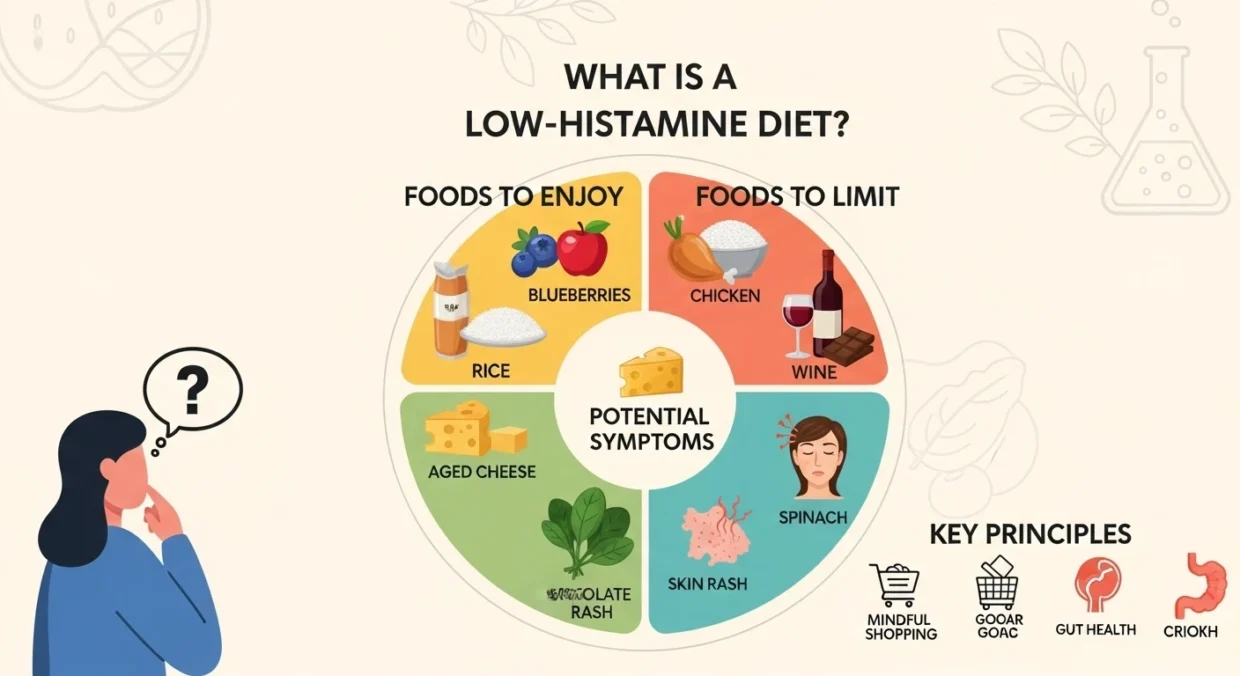
Histamine is important for digestion, immunity, and nervous system regulation. However, when levels build up too quickly—often due to low DAO enzyme activity in the gut—it can cause discomfort, particularly in the digestive tract.
Unlike food allergies, which trigger immune reactions that can be severe or life-threatening, histamine sensitivity is about your body’s ability to process histamine effectively. Common symptoms include bloating, gas, and stomach upset after eating high-histamine foods.
Limiting foods high in histamine—like aged cheese, wine, cured meats, citrus, and fermented products—while focusing on naturally low-histamine options can help manage discomfort. DAO supplements may also support digestion by helping your body break down histamine more efficiently.
20 Naturally Low-Histamine Foods
Focusing on fresh, minimally processed foods is key. Here’s a list of options to build your low-histamine meal plan:
Grains
- Oats – A safe, versatile breakfast option. Stick to plain oats to avoid hidden additives.
- Quinoa – Rich in protein and fiber, great for salads, bowls, or breakfast dishes.
Vegetables
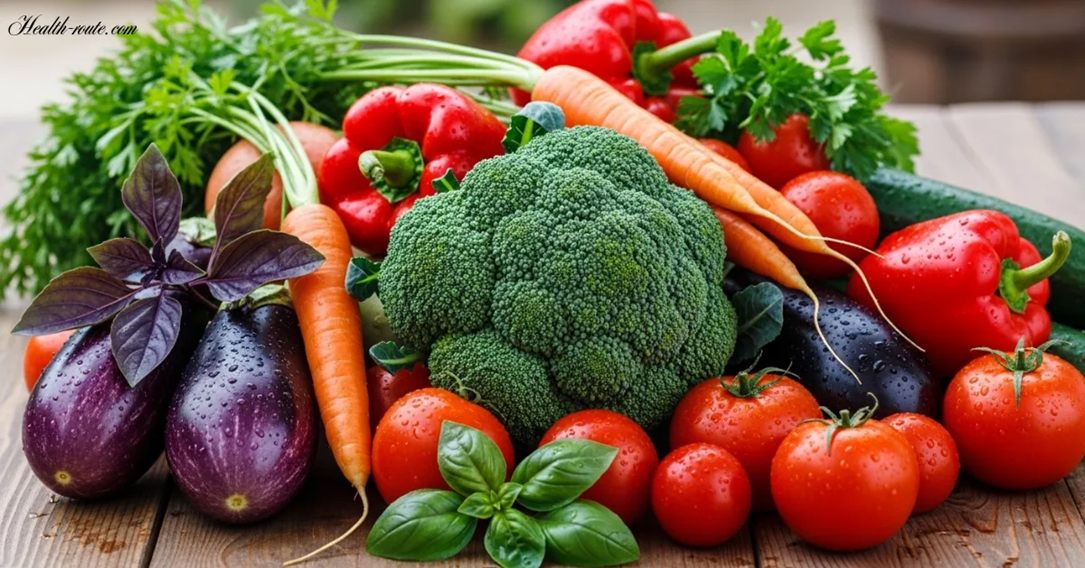
- Sweet Potatoes – Full of fiber and beta-carotene; perfect roasted, mashed, or in soups.
- Broccoli – Low-histamine and nutrient-rich; enjoy raw, steamed, or roasted.
- Onions – Add flavor to dishes without raising histamine levels.
- Lettuce – Crisp and hydrating, ideal for salads or wraps.
- Carrots – Naturally sweet and packed with beta-carotene; versatile in any meal.
- Green Beans – Easy to steam, sauté, or add to casseroles.
- Brussels Sprouts – Roasted with olive oil for better nutrient absorption.
- Zucchini – Great grilled, roasted, or sautéed in stir-fries.
Fruits
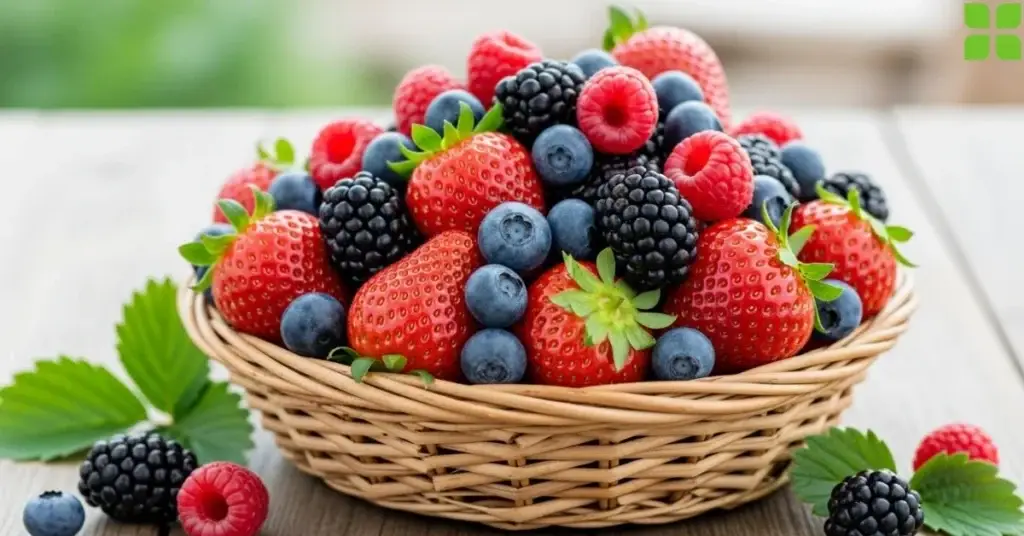
- Apple – A classic low-histamine fruit rich in fiber and vitamin C.
- Peach – Sweet, hydrating, and gentle on the stomach.
- Melon – Includes cantaloupe and honeydew; refreshing and low-histamine.
- Papaya – Supports digestion and provides antioxidants.
- Grapes – Red or green varieties add a sweet, low-histamine snack option.
Proteins
- Fresh Meat – Very fresh meat is low-histamine; freeze if not used immediately.
- Fresh Fish – White fish is ideal; avoid aged or canned fish.
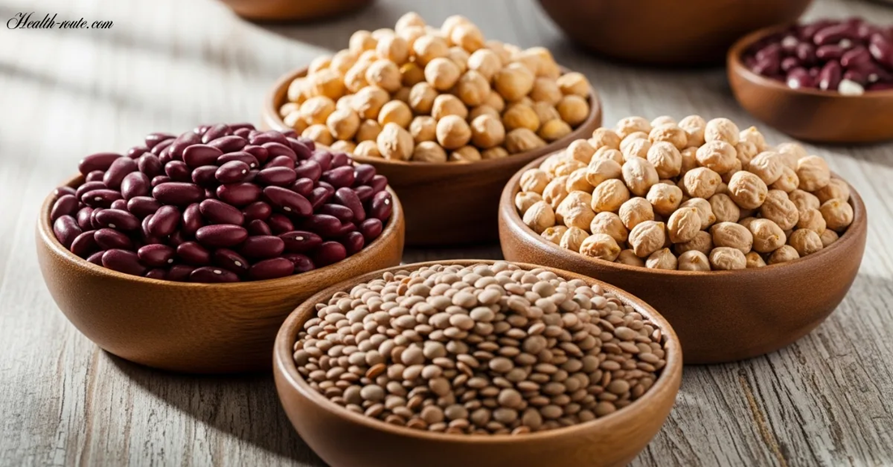
- Beans & Lentils – Cooked fresh, they provide plant-based protein and fiber.
- Chickpeas – Roast, blend, or toss in salads for a low-histamine protein boost.
- Tofu – Safe for most low-histamine diets, but avoid fermented soy like tempeh.
Fats & Seeds
- Olive Oil – Ideal for cooking or drizzling over dishes.
- Flax Seeds – Source of omega-3s and fiber; can be added to smoothies or baked goods.
- Chia Seeds – Low-histamine and nutrient-dense; make pudding or add to oatmeal.
Beverages
- Coffee – Freshly brewed black coffee is generally low in histamine, though individual tolerance may vary.
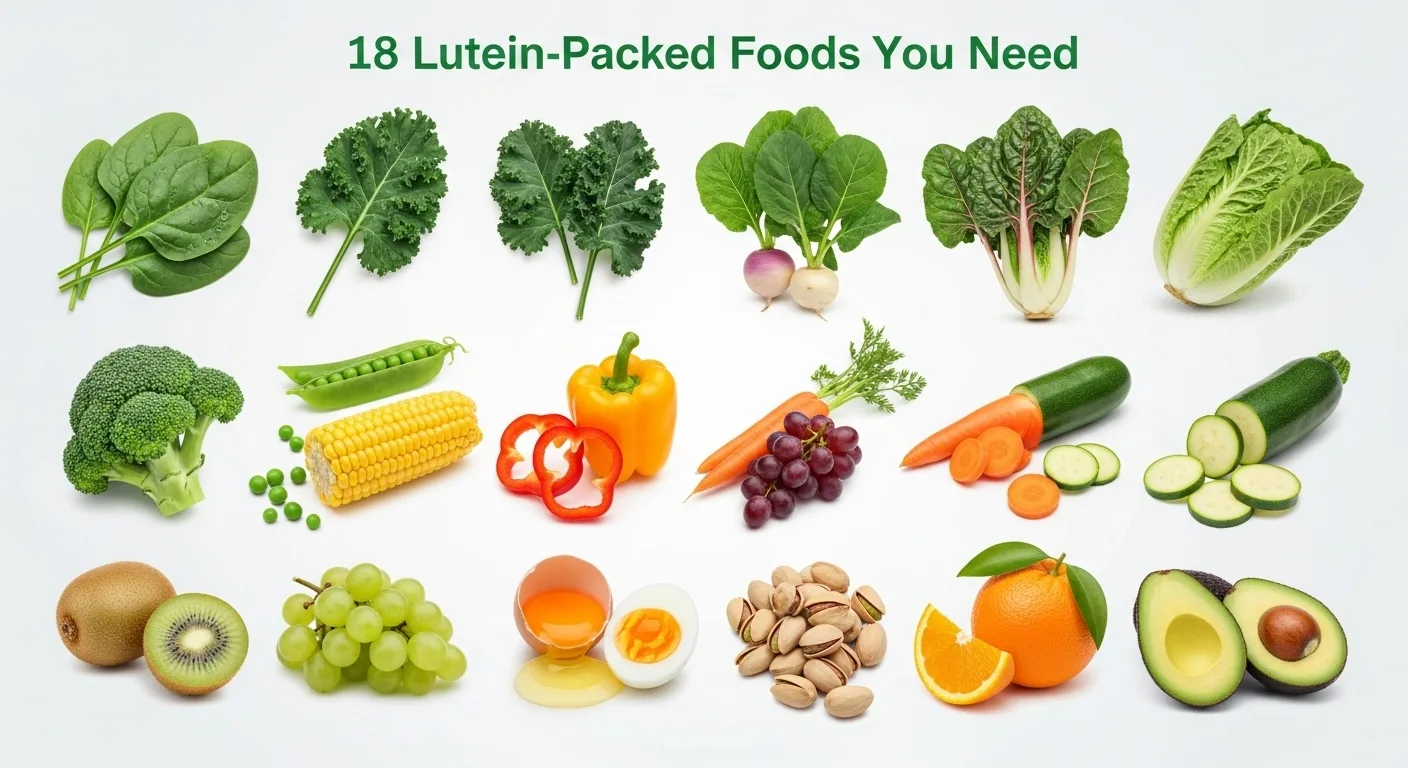
Read About:18 Lutein Foods for Sharp Eyes and a Healthy Brain
Foods to Avoid on a Low-Histamine Diet
High-histamine foods can trigger digestive discomfort. Common culprits include:
- Aged cheeses, cured meats, smoked or canned fish, shellfish
- Wine and other alcoholic beverages
- Fermented foods like sauerkraut, soy sauce, and vinegar
- Strawberries, avocados, eggplant, tomatoes and tomato products
- Citrus fruits, bananas, nuts, pumpkin, zucchini (can compete with DAO enzyme activity)
Tips for Managing Histamine Sensitivity
- Track Your Foods – Keep a detailed food diary noting what you eat, when, and any reactions.
- Plan Around Safe Foods – Build meals around low-histamine foods you enjoy rather than focusing solely on restrictions.
- Freshness Matters – Fresh meat, fish, and minimally processed foods help keep histamine intake low.
- Work With a Professional – A registered dietitian can help prevent nutrient deficiencies and guide reintroduction of foods over time.
Bottom Line
A low-histamine diet is a helpful approach for those who experience bloating, gas, or other digestive issues from histamine-rich foods. By prioritizing fresh, minimally processed foods and monitoring your personal tolerance, you can reduce discomfort and support overall digestive health. Supplements like DAO may further help your body break down histamine effectively.