If you’re looking to boost both your eye and brain health, lutein is a nutrient worth paying attention to. This powerful antioxidant, often paired with zeaxanthin, supports the retina and macula, helping shield your eyes from oxidative stress and excess light exposure. Beyond vision, lutein may also play a role in memory and cognitive function.
Luckily, getting enough lutein doesn’t have to be complicated. Colorful fruits and vegetables—especially green, yellow, and orange varieties—are naturally rich in this carotenoid. Here’s a breakdown of the best sources and tips for maximizing its benefits.
Table of Contents
Why Lutein Matters
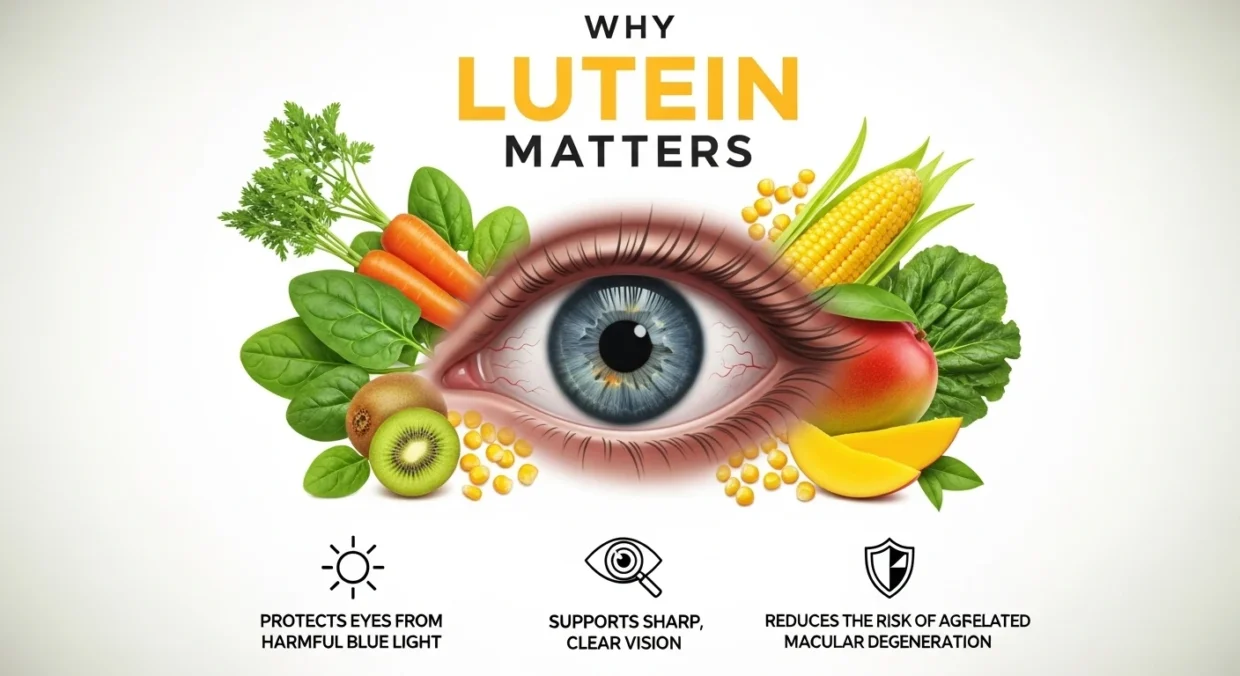
Lutein is concentrated in the retina, particularly in the macula, which governs central vision. Higher levels of lutein in the eye have been linked to better visual health. Emerging research also suggests it may help support cognitive function, memory, and overall brain health.
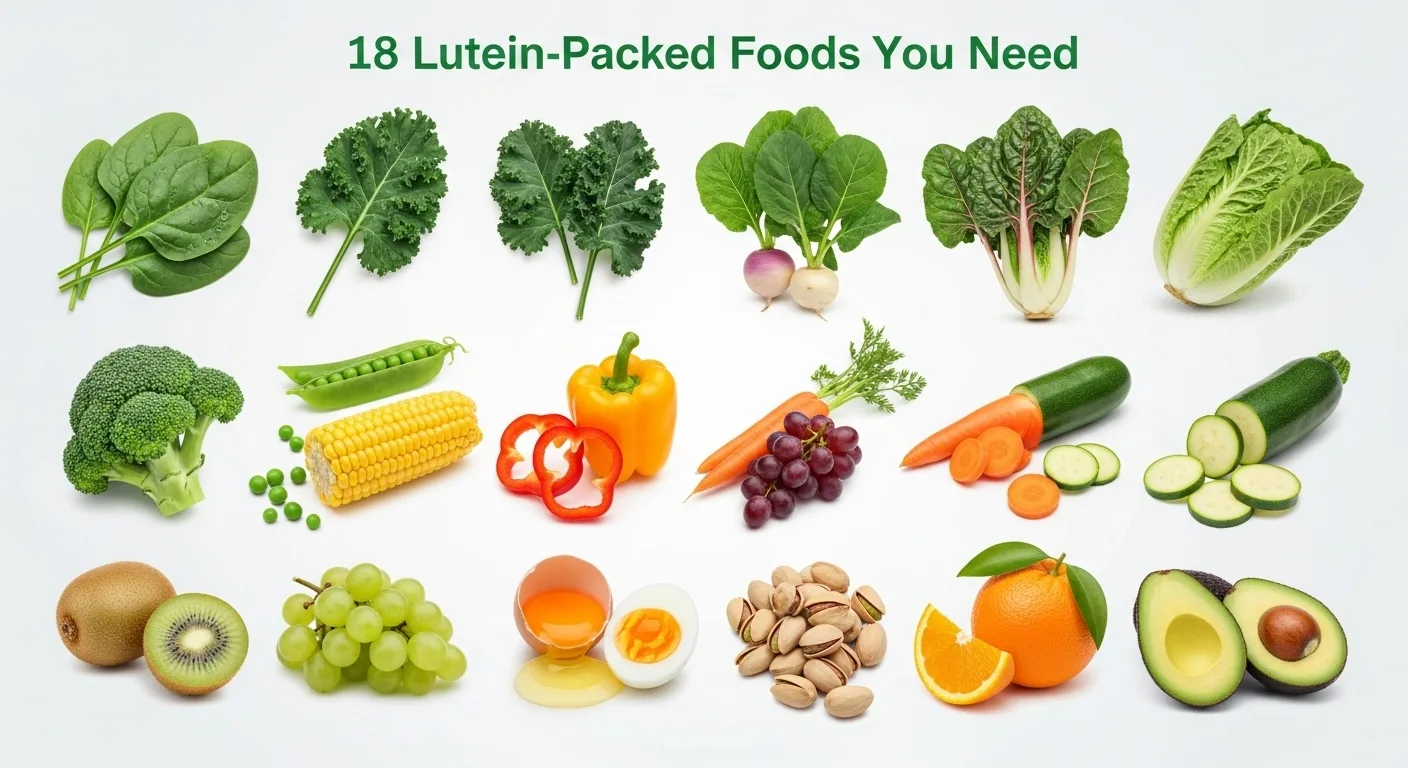
Top 18 Lutein-Rich Foods
Green Vegetables
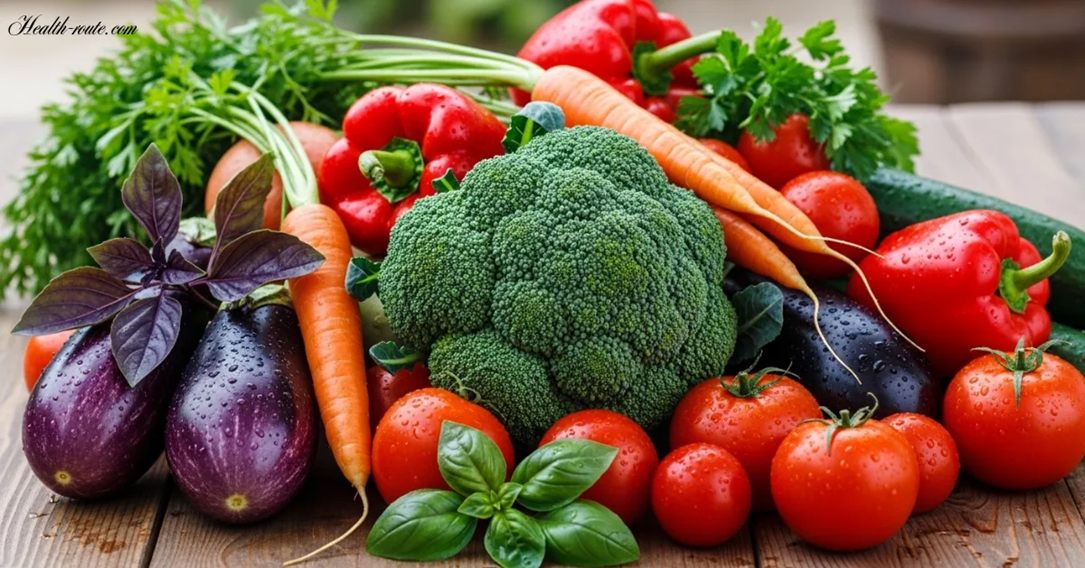
- Spinach – Loaded with lutein and zeaxanthin, plus vitamins A and C. Enjoy raw in salads or cooked in recipes.
- Kale – Another leafy powerhouse; blend into smoothies, soups, or sautés.
- Broccoli – Offers lutein, fiber, and antioxidants; versatile roasted, steamed, or in salads.
- Brussels Sprouts – Mini cabbages packed with lutein and fiber; roasting enhances nutrient absorption.
- Turnip Greens – Often overlooked, they provide lutein and essential vitamins; great in soups or sautéed with garlic and olive oil.
Fruits and Vegetables
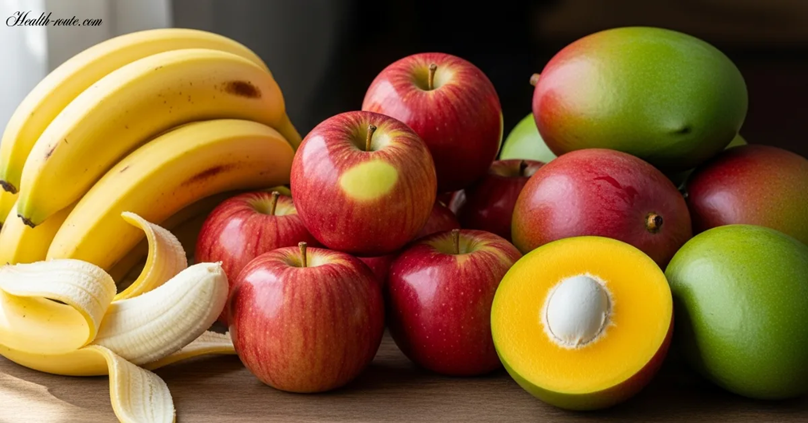
- Corn – Sweet and versatile, corn adds lutein to salads, soups, or side dishes.
- Orange Bell Peppers – Rich in lutein, zeaxanthin, and vitamin C; bright and flavorful.
- Green Bell Peppers – Similarly packed with lutein and antioxidants; perfect raw or cooked.
- Zucchini – Works well grilled, roasted, or stir-fried for an eye-healthy boost.
- Squash – Butternut or acorn varieties provide carotenoids; roast or steam for best results.
- Papaya – A tropical treat with lutein, vitamin C, and antioxidants; enjoy fresh or in smoothies.
- Cucumbers – Hydrating and lutein-rich, especially with the skin on; add to salads or sandwiches.
Legumes and Nuts
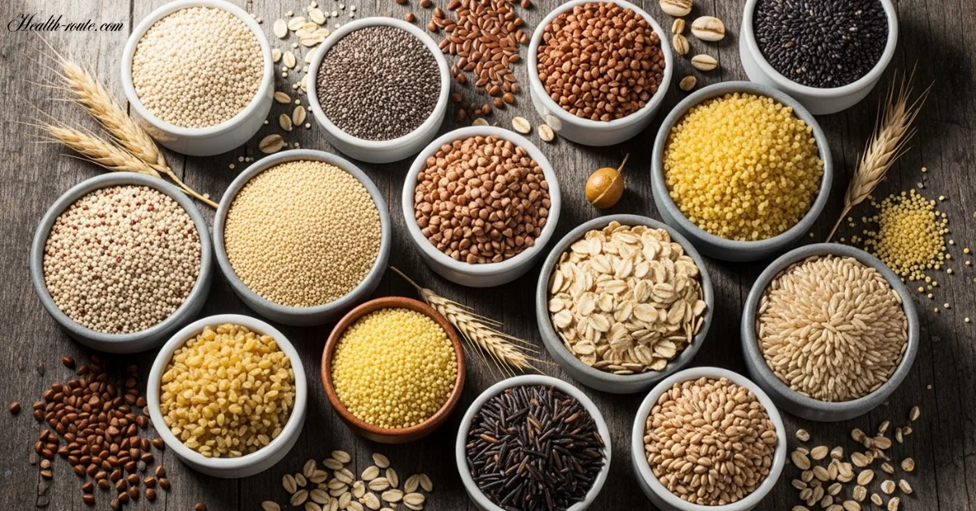
- Peas – Tiny but nutrient-dense; add to pasta, stews, or mash into a side dish.
- Pistachios – Unique among nuts for lutein content; a fat source that aids absorption.
Other Options
- Egg Yolks – Contain highly absorbable lutein and zeaxanthin thanks to their fat content; enjoy a few per week.
- Avocados – Healthy fats help your body absorb lutein; great in salads, toast, or smoothies.
- Scallions – Add color and flavor to dishes while giving a lutein boost.
- Grapes (Red & Green) – Contain lutein and antioxidants; snack raw or add to salads and cheese boards.
Tips for Better Absorption
Lutein is fat-soluble, so pairing it with healthy fats like avocado, olive oil, or nuts helps your body absorb it efficiently. Mixing raw and cooked vegetables ensures you get the most from your diet.
Lifestyle factors like stress, poor diet, and smoking can also impact lutein levels, so focus on balanced nutrition and healthy habits to maximize benefits.
Read About:Alkaline Water vs Tap: The Truth
Should You Take Lutein Supplements?
Certain groups may benefit from supplementation:
- Older adults – To support eye health as vision naturally declines with age.
- Screen-heavy workers or gamers – Lutein helps protect the retina from blue light.
- Those with low intake of colorful fruits and vegetables – Supplements can fill gaps in the diet.
Consult your healthcare provider to find the best approach for your needs. Products like Ocular Support with Saffron & Astaxanthin may provide additional eye and brain benefits.
How Much Lutein Do You Need?
Aim for 6–20 mg daily. For reference:
- 1 cup cooked spinach ≈ 20 mg
- 1 cup cooked kale ≈ 10 mg
- Other good sources: broccoli, corn, peas, egg yolks
Bottom Line
Lutein is a powerful ally for eye and brain health. Eating a variety of colorful vegetables, fruits, nuts, and eggs ensures you meet your needs naturally. Pairing lutein-rich foods with healthy fats enhances absorption, and supplements can help if your diet is lacking. Focus on balance and variety for the best results.